
What Are Backlinks?
In the ever-evolving landscape of search engine optimisation, backlinks remain one of the most critical factors influencing how a website ranks in search results. Whether you are a seasoned marketer or a small business owner building your own website, understanding what backlinks are and how they affect your SEO strategy is essential. Backlinks, also known…
Created: July 28, 2025 | Reading Time: 13 Minutes

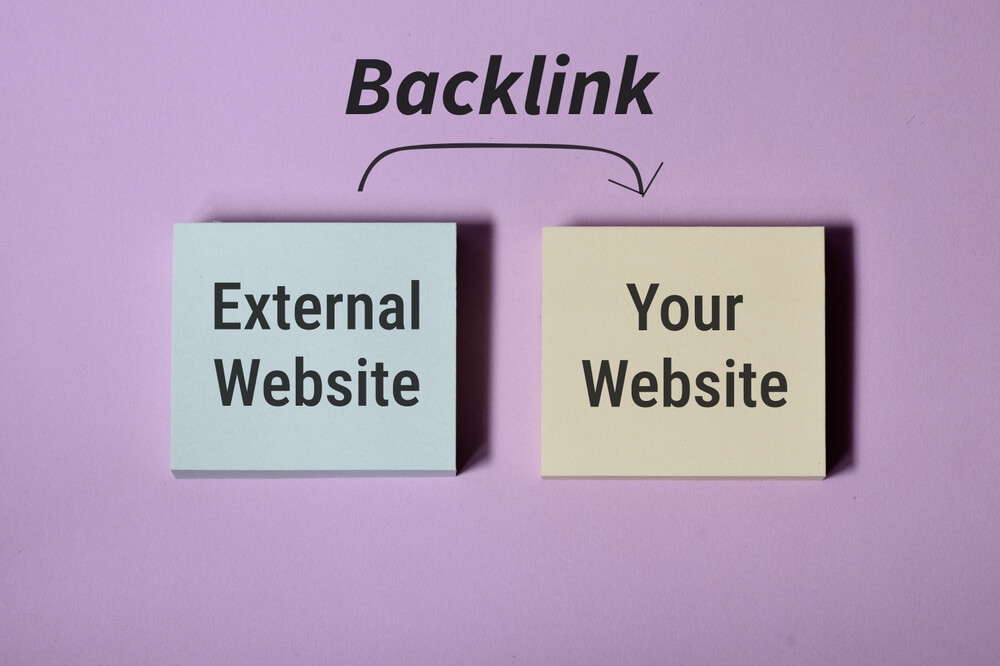
In the ever-evolving landscape of search engine optimisation, backlinks remain one of the most critical factors influencing how a website ranks in search results. Whether you are a seasoned marketer or a small business owner building your own website, understanding what backlinks are and how they affect your SEO strategy is essential.
Backlinks, also known as inbound links or incoming links, are links from one website to another. When a reputable website includes a link pointing to your content, it acts as a vote of confidence in your site’s authority and relevance. Backlinks are also called inbound links because they represent another website’s traffic coming to your own site. Search engines like Google, along with other search engines such as Bing and Yahoo, consider backlinks a major ranking signal.
In the simplest terms, a backlink is just a link from one website to another. However, not all backlinks are created equal. While high quality backlinks from authoritative websites can significantly boost your search engine ranking, low quality links or paid links from spammy sources can do the opposite. In fact, bad links can damage your site’s trustworthiness and dilute your link profile. A single top-quality backlink can outperform 100 low-quality backlinks.
In this comprehensive guide, we will explore the different types of backlinks, provide real-world examples, and explain why they are so important in off page SEO. We will also show you how to generate backlinks using ethical methods that align with Google’s algorithm and long-term success.
What is a Backlink? Types and Examples
So, what is an example of a backlink? Imagine you wrote a blog post about the best local marketing tactics in Sydney. If a reputable marketing agency links to your article from their blog post, that is a backlink. Similarly, if you are featured in a guest post on another site and include a link to your own site, that is another form of backlink.
There are several types of backlinks:
- Editorial Backlinks: These occur naturally when other websites find your content valuable enough to link to it. For instance, news websites or reputable sites might quote a statistic from your blog and link to it as a source.
- Guest Blogging Links: When you contribute a blog post to another site and link back to your own website, that is a strategic way to build backlinks.
- Directory Backlinks: Listings on business directories like Yelp or Yellow Pages can provide a source of relevant website backlinks.
- Resource Page Links: These are backlinks from web pages that compile useful links on a specific topic.
- Broken Link Building: This involves finding a broken link on another site and suggesting your own content as a replacement. This is particularly useful when the broken link previously pointed to a similar page.
Other types include blog comments, nofollow links, and links from infographics or tools. While not all backlinks provide the same level of value, each plays a role in shaping your overall SEO performance.
Why Backlinks Matter for Search Engine Optimisation (SEO)
Backlinks are a cornerstone of search engine optimisation SEO because they serve as a signal of trust and authority to search engines. When your website has a strong backlink profile, search engines interpret it as a sign that your content is credible and relevant to users’ search queries. Backlinks are still considered one of Google’s three most necessary search engine ranking factors, along with content and RankBrain.
Search engine ranking factors include numerous elements, but backlinks remain one of the strongest signals in Google’s algorithm. Here’s why:
- Domain Authority: Sites with a high number of quality backlinks tend to have higher domain authority, making it easier to rank for competitive keywords.
- Search Rankings Boost: Google uses backlinks to determine which content is most useful. Pages with more high quality backlinks generally perform better in organic search engine traffic.
- Referral Traffic: Backlinks from relevant sources can send website visitors to your site, improving both traffic and engagement metrics.
Importantly, backlinks help search engines crawl and index your content more effectively. Internal links do this within your own website, but backlinks connect your pages to the broader web.
High Quality vs Low Quality Links
Understanding the difference between high quality and low quality links is crucial for building a sustainable SEO strategy.
High Quality Backlinks
- Come from authoritative websites
- Use keyword rich anchor text or natural anchor text
- Are contextually placed within relevant content
- Come from sites with high domain authority and consistent traffic
- Improve search engine ranking and pass valuable link juice
Examples of valuable link sources include government sites, universities, news websites, and well-known industry blogs.
Low Quality Links
- Are from spammy directories or link farms
- Use overly optimised or irrelevant anchor text
- Are part of link exchanges or paid links with no editorial oversight
- May have been created via automated link building tools
Low quality links can weaken your link profile and reduce your visibility in search results. In extreme cases, they can trigger manual penalties or algorithmic devaluations. Low-quality backlinks come from sites with low domain authority, meaning they are unknown to or not trusted by search engines.
Not all backlinks are equal. Focus on acquiring high quality backlinks and prune links that harm your site’s credibility.
How to Build Quality Backlinks
There is no shortcut to building a strong backlink profile. It requires time, strategy, and high-quality content. Here are proven methods to generate backlinks the right way:
1. Publish Quality Content
Content is the foundation of any link building process. Without informative, unique, and engaging content, there is no incentive for other websites to link to your site.
Types of content that attract backlinks:
- Long-form blog posts with in-depth research
- Infographics and data visualisations
- Original case studies or research reports
- Tools, templates, and calculators
Infographics and visual assets are effective for link building if they are engaging and widely shared across platforms.
2. Outreach and Guest Posting
Reach out to authoritative websites in your niche and offer to contribute a guest post. Include a contextual link to your own website where relevant.
Guest blogging remains one of the most effective ways to acquire backlinks from relevant websites. Focus on sites with high domain authority and an engaged audience.
3. Testimonials and Reviews
Submitting a testimonial to a vendor or software provider you use can often result in a backlink when they publish your review on their website.
4. PR Link Building
Platforms like SourceBottle or Help a Reporter Out allow you to submit expert quotes or insights. When these get featured in news websites, you gain high authority backlinks that drive both credibility and traffic.
5. Resource Pages and Directories
Search for resource pages in your industry and suggest your content as a valuable link. Use Google search operators to find these opportunities. Make sure the directory or resource page is well-maintained and relevant.
Link Building Techniques and Strategies
To succeed with link building, your process needs to be both methodical and adaptable. Below are some advanced and reliable methods:
Reverse Engineering Competitor Backlinks
One of the most powerful tactics in SEO strategy is to study what is already working for others. Use tools like Ahrefs, Semrush, or Moz to analyse where your competitors are getting their backlinks. Look for:
- High domain authority sources
- Frequently linked pages
- Anchor text variations
Reverse engineering competitor backlinks helps identify potential backlink opportunities by analyzing where competitors have links from.
- High domain authority sources
- Frequently linked pages
- Anchor text variations
This helps identify opportunities you can replicate, especially from sites that link to multiple players in your industry.
Link Reclamation
Sometimes, other websites will mention your brand but not include a link. A polite email to the website owner asking them to add a link to your own site can often result in a quick win.
The Moving Man Method
This method involves identifying outdated pages, companies, or resources that have been rebranded or no longer exist. You then reach out to sites linking to those pages and suggest your own content as a replacement. It is an excellent way to replace a dead link with a live one while helping the referring domain clean up broken links.
Broken Link Building
Closely related to the Moving Man Method, this involves finding a broken link on a relevant website and suggesting your content as a replacement. This not only provides value to the site owner but helps you build backlinks that are contextually appropriate.
Anchor Text and Its Role in Link Building
Anchor text refers to the clickable words in a hyperlink. It plays a key role in how search engines interpret the context of a link. Using keyword rich anchor text helps reinforce the relevance of the link target to specific search terms. However, overuse of exact match anchor text can appear manipulative and may trigger penalties.
There are different types of anchor text:
- Exact Match: Uses the target keyword (e.g., “search engine optimisation”).
- Partial Match: Includes a variation of the target keyword.
- Branded: Uses the brand name as the anchor (e.g., “1PoolCare”).
- Naked URL: Simply the URL itself (e.g., www.example.com).
- Generic: Common phrases like “click here” or “this page”.
A natural backlink profile includes a balanced mix of anchor text types. The link’s anchor text should feel relevant to the surrounding content and not forced.
Internal vs External Links
While backlinks from other websites are powerful, internal links also play a significant role in SEO. Internal links help:
- Establish website architecture
- Distribute link juice across pages
- Guide users to related content
- Highlight important pages (like pillar content or service pages)
An effective SEO strategy includes both internal links within the same website and external links from other reputable sites.
External links pointing to your domain help establish authority, while internal links help consolidate and distribute that authority. Together, they strengthen the overall search engine ranking of your site.
Avoiding Common Backlink Pitfalls
Not all backlinks are beneficial. Some may even harm your site’s rankings if they come from untrustworthy sources or result from spammy tactics. Here are some backlink pitfalls to avoid:
Excessive Link Exchanges
Linking to a site in exchange for a backlink may seem harmless but becomes risky when scaled. Google’s algorithm can detect patterns of reciprocal linking and devalue both parties.
Relying on Low Quality Directories
While directory backlinks can be useful if the site is well-known and relevant, links from spam directories or unrelated sites are unlikely to help your link profile.
Sitewide Footer Links
Although links in a footer or sidebar can pass some value, using the same anchor text across every page of another site appears manipulative. Use sparingly and with contextual relevance.
Measuring Backlink Quality
Assessing the value of a backlink requires a holistic look at both the linking domain and the page it sits on. Key indicators include:
- Domain Authority or Domain Rating: Higher scores generally reflect stronger trust and influence.
- Page Authority: Even within a strong domain, some pages carry more weight than others.
- Topical Relevance: The backlink should come from content closely related to your own site or niche.
- Traffic Potential: Does the referring page receive real traffic? A valuable link should send referral visitors, not just SEO value.
- Anchor Text Relevance: The context of the link helps Google understand its intent.
- Link Placement: Links within the main content area tend to carry more weight than those in footers or sidebars.
A healthy backlink strategy focuses on acquiring backlinks that are both editorially placed and topically relevant.
Off Page SEO and Backlinks
Backlinks are at the heart of off page SEO. Unlike on-page efforts, which focus on optimising web pages and internal structure, off page SEO is about building your site’s reputation and authority across the internet.
Activities that support off page SEO through backlinks include:
- Guest blogging
- Participating in industry forums or Q&A sites
- Publishing press releases
- Engaging in digital PR campaigns
- Submitting testimonials
- Social media sharing and influencer engagement
- Link roundups: Blog posts that compile and link to high-quality content on specific topics.
By participating in the broader digital ecosystem, you earn backlinks naturally as a by-product of your brand presence and thought leadership.
Case Studies and Examples
Let’s look at real-world examples of how backlinks impact SEO performance.
1. Guest Blogging and Editorial Features
A Perth-based web design agency secured guest posts on two Australian marketing blogs. The guest posts included inbound links with anchor text like “custom WordPress development” and “SEO Perth”. Over a three-month period, their organic traffic increased by 42%.
2. Reverse Engineering Competitor Links
An eCommerce store used a backlink audit tool to discover that competitors had links from comparison blogs and coupon sites. By offering their own affiliate terms and pitching similar content, they gained 35 new website backlinks in under 60 days.
3. Link Reclamation
A small business discovered through Ahrefs that several media mentions of their brand had no backlink. After contacting each website owner, over 60 percent of the mentions were converted into backlinks.
4. PR Backlink Success
Using PR link building platforms like SourceBottle, a business coach submitted expert quotes and was featured in SmartCompany and Business News. These high authority backlinks contributed to an increase in organic traffic and keyword rankings.
Tools for Backlink Analysis
Understanding your backlink profile and identifying new opportunities requires the right SEO tools. Here are some of the most widely used:
- Ahrefs: Powerful for backlink audits, broken link building, and competitor research.
- Semrush: Offers detailed reports on link profiles and toxic links.
- Moz: Known for domain authority scores and visual link graphs.
- Google Search Console: Free and reliable source for tracking links to your site.
- BuzzSumo: Excellent for identifying who is linking to popular content in your niche.
Use these tools regularly to identify dead links, monitor your link growth, and find opportunities to build backlinks through strategic outreach.
Backlink Best Practices for Australian SEO
For Australian businesses, backlink building should reflect local relevance and brand integrity. Here are best practices tailored for the Australian market:
- Focus on .com.au domains to gain local relevance
- Use Australian directories such as Hotfrog, StartLocal, and TrueLocal
- Reach out to Australian bloggers in your niche for guest post collaborations
- Leverage local media through digital PR and SourceBottle
- Engage in community sponsorships and get listed on partner websites
Building backlinks from Australian domains helps reinforce your location signals, improving local SEO and connecting better with your regional audience.
Conclusion: Why Backlinks Are Still Essential
Backlinks remain one of the most influential elements of modern search engine optimisation. They help improve domain authority, increase organic traffic, and signal trust to search engines. But the key is quality over quantity.
By producing quality content, building links ethically, and avoiding shortcuts, your SEO strategy will benefit in both the short and long term. Whether you are acquiring backlinks through guest blogging, reverse engineering, or broken link building, every valuable link earned strengthens your website’s visibility and authority.
In the world of search engines, links are currency. Invest wisely, and the dividends will follow.
At AU Backlinks, we specialise in helping Australian businesses build high quality, locally relevant backlinks that drive real results. Whether you’re a local startup or a national brand, our curated network of reputable .com.au sites and targeted outreach strategies ensure your website earns the authority it deserves.
Get in touch with us today to start building powerful backlinks that boost your rankings, increase visibility, and grow your organic traffic across Australia.
On this page
Get our newsletter
We send 1 or 2 emails per month —a company update as well as shared learnings from our own entrepreneurial journey.
Adam is a results-driven marketing strategist with over eighteen years of experience across business strategy, sales, turnaround management, and marketing implementation. With a strong commercial background and a deep understanding of corporate finance, Adam brings a uniquely pragmatic approach to digital marketing – one focused squarely on driving measurable outcomes.
At AU Backlinks, Adam combines his broad commercial knowledge with a sharp focus on digital performance to ensure the platform delivers real value – both for website owners and for the agencies and businesses that rely on high-quality backlinks.
His experience spans the full business lifecycle, from raising capital to growth and exit, and he remains actively involved in supporting early-stage ventures within the WA start-up community.
Ready to Work With Us? Get in Touch
Join hundreds of Australian businesses that have improved their search rankings with our premium backlink solutions.
Related Resources
Explore our knowledge base to learn more about link building and SEO strategies.

PageRank Explained For Modern SEO
Pagerank is a link analysis algorithm that scores how likely a random web surfer is to land...

What Is SEO And How Does It Work?
SEO is aligning your website content with how people search and how search engines work so you...

SEO In Website Design: The Complete Guide
This guide shows how SEO web design creates a site that is both search engine friendly and...

Why Blogs Are Important For SEO
Blogs are important for SEO because they capture long tail demand, create internal link pathways to money...

What Is a Search Engine & What Are the Best Ones to Use?
A search engine discovers pages with crawlers, stores what it finds in an index, and ranks results...
How Do I Index My Backlinks Faster in Google?
In this blog post, we explore how backlink indexing works, discuss various ways to index backlinks, and...

Can You Get Traffic Without Backlinks?
Many website owners ask, can you get traffic without backlinks? While backlinks are one of the strongest...
What Is a Tier 3 Backlink
A Tier 3 backlink is a link that points to a Tier 2 backlink, which itself supports...
What Is a Tier 2 Backlink?
A Tier 2 backlink is a link that points not directly to your website, but to a...

Content Creation & Article Placement Guidelines
At AU Backlinks, we believe that every article should do more than just host a link -...
Ready to Work With Us?
Join hundreds of Australian businesses that have improved their search rankings with our premium backlink solutions.